
Michael Jackson, Grief Addiction
The cry baby resurrects the child star

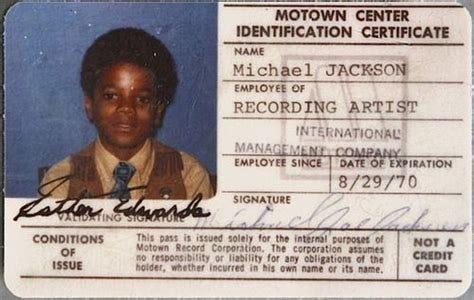
Imagine yourself an involuntary customer at a brothel you thought was a record store. You’re not there to buy sex or affection, you’re there to purchase albums. Your favorite singer is twelve, possesses the euphoric despondency of a fallen angel on a mission to rescue a fallen planet, offers a repertoire of semi-seductive fairy tale love ballads, and despite rumors that he’s been beaten and groomed into his leading role in the American myth, there are no visible scars. You can put his boyhood out of your mind and sing along to the lyrics that disfigure it into your adolescence, then obsolescence. You let him displace you, speak for you, mute himself to represent his variegated audience made of children and those who love children or love to hear children sing to them in a grand and persistent reversal of developmental laws; they soothe you and not the other way around. Then those children skip several generations and enter legends, become heartthrobs, villains, Michael Jackson. We’ve reached the year 2026. The young patrons of the brothel that merchandizes their would-be peers, kids of all ages, are in their homes, on playgrounds, in their parents’ cars, having a casual breakfast, and sobbing over the death of Michael Jackson, who will have been dead in the flesh for seventeen years this June. They discovered the so-called King of Pop and began mourning him within the same week. And those who were simply reminded who he was by the renewed hysteria, who are adults now and grew up on his music, are sobbing in their cars too, explaining how much they miss him, how he deserves justice, how this grief is a piece of his justice, a petty morsel, which, as it accrues, becomes a proper call to retribution. There are thousands of videos circulating on the internet featuring civilian fans of Michael Jackson born both before and after he died, weeping for him, pitiful and listless with the need to see him alive again. What do they miss? Bidding on him in the glorified brothel? The fix of vicarious alienation? The beauty of him under electric light?
The current Michael Jackson renaissance is feeding the world’s grief addiction. And it needs supply; the addicts would be sad about their own circumstances if they didn’t have an idol with perfect pitch to lament in a loop like this, every few years, the renewed dismay over a glitching crucifixion, the refreshed escapism ennobled by sorrow. This is what’s sold of the child star at the brothel when his innocence is no longer believable, his absence, his endless death march merch. The void he’s left turns a steady profit, we testify into it, admit we failed him and adore him, and that we’re like him in that we wanted to be the golden child and were naive enough to think that golden armor exempt from evil, that we too are sinners confronting impossibility of innocence. We confess that we’re running out of people who are brave enough to play God and the devil simultaneously, to turn androgyny into a moral code and exploit it to transcend the laws of human sociality. In cinematic depictions, you rarely see the jazzmen in the famous whore houses of the war years go upstairs with a client, but by the time the record store was more a burlesque than a juke joint, that became the fantasy, that the prodigy you’re hearing sing could love you back and remain unadulterated in the act, keep playing you lullabies while you violate him and cry about it and groom the new kids in the tradition, or to follow him from glory to tragedy and back and hack at that shambles shamelessly, learning all its lyrics and dances. They have no choice, they’re in a trance.
—
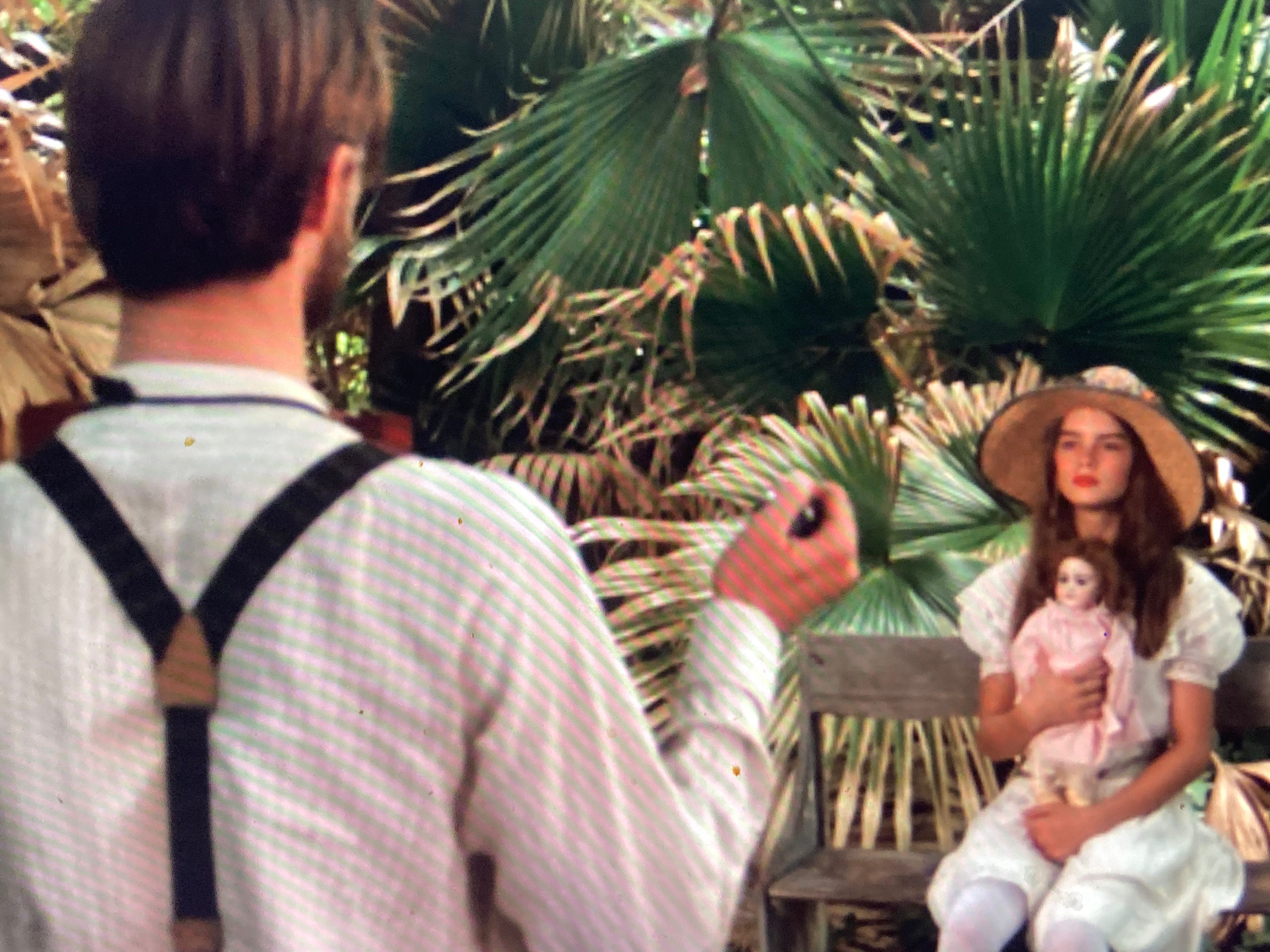
Brooke Shields, a good friend of Michael’s offstage, played a twelve year old girl whose virginity was sold at an infamous Storyville bordello, in the 1978 Louis Malle film Pretty Baby. Shields was twelve or thirteen while filming, sometimes in the nude, sometimes kissing or being groped by grown men, always their muse. When she is banished to a stable childhood at the end of the film, it’s just another in the series of abductions that marks and mars her. She is neither a whore nor a child, and there is no lucid bridge between the two roles, both which she plays impeccably until you get the sense that normal life could present the most insurmountable horror of them all after her tenure amongst heathens. She grieves what ruins her. We grieve what we ruin. That a child’s first record deal and a child’s virginity for sale have more in common than most transactions, is a truism too ugly to admit, so we say one’s a movie, fiction, and the other is show business, ethical distribution of fantasies brokered by the most talented kid in the world. Cry baby, don’t ruin the dream, don’t threaten the tradition, just raise your price.
Attached are two articles. One by James Baldwin on the Atlanta Child Murders, scanned from the original issue of Playboy in which it was published, and another on James Baldwin, a very unique profile, scanned from the original edition of Esquire in which it was published. As a survivor of his own version of child stardom, he is the most useful interjection in that closed system of black magic.
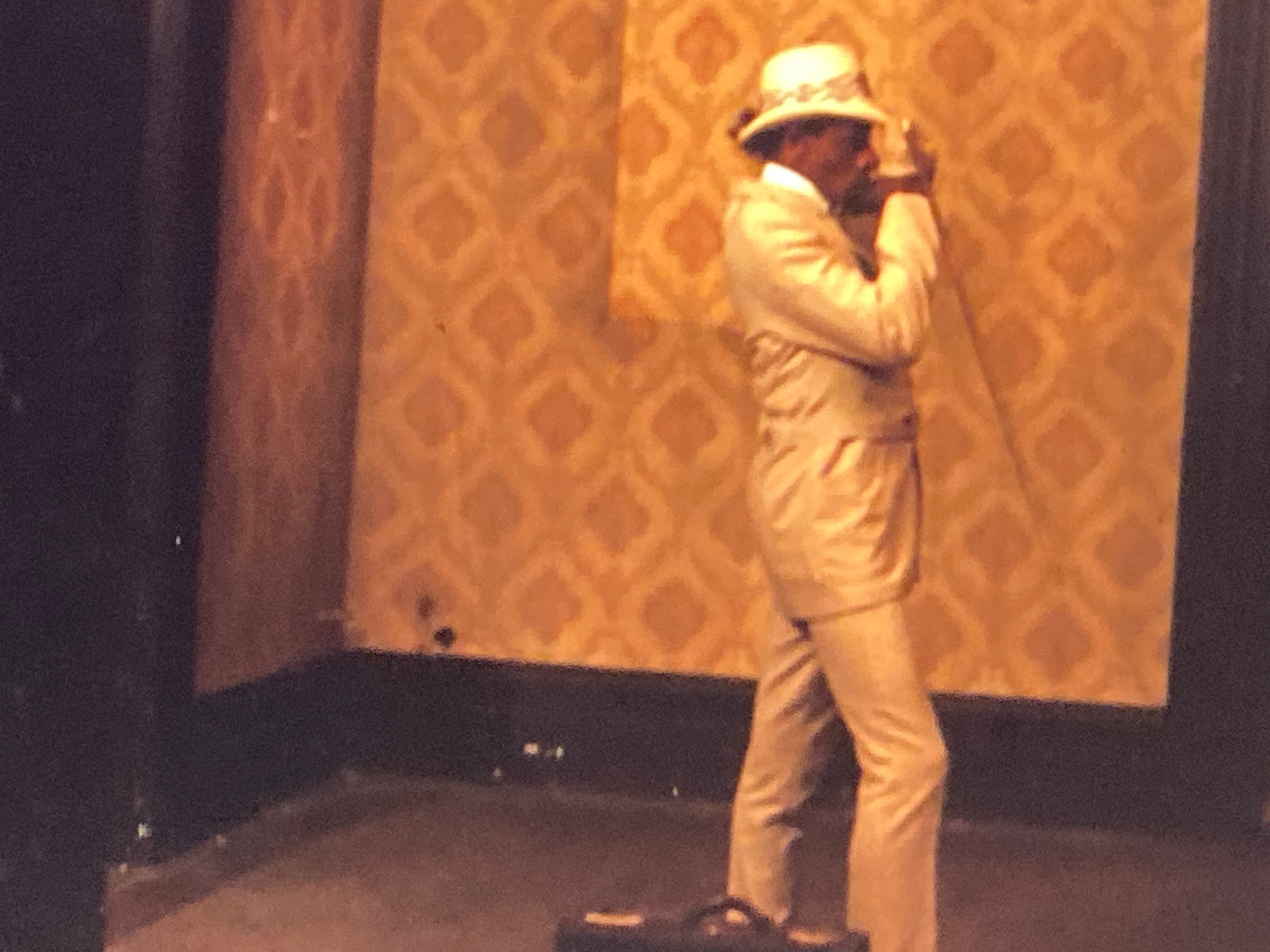
the musician in Pretty Baby
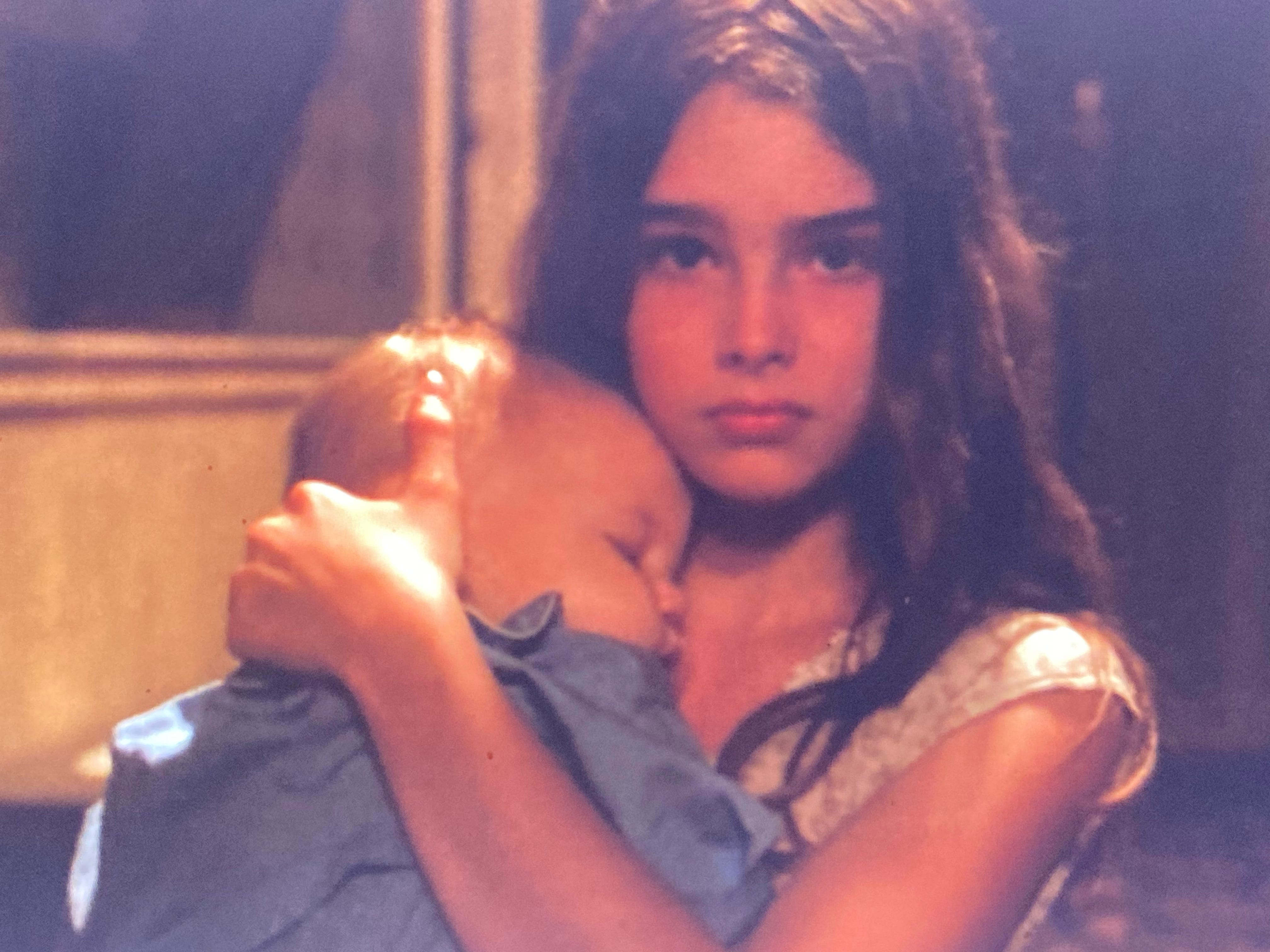
Brooke Shields in Pretty Baby
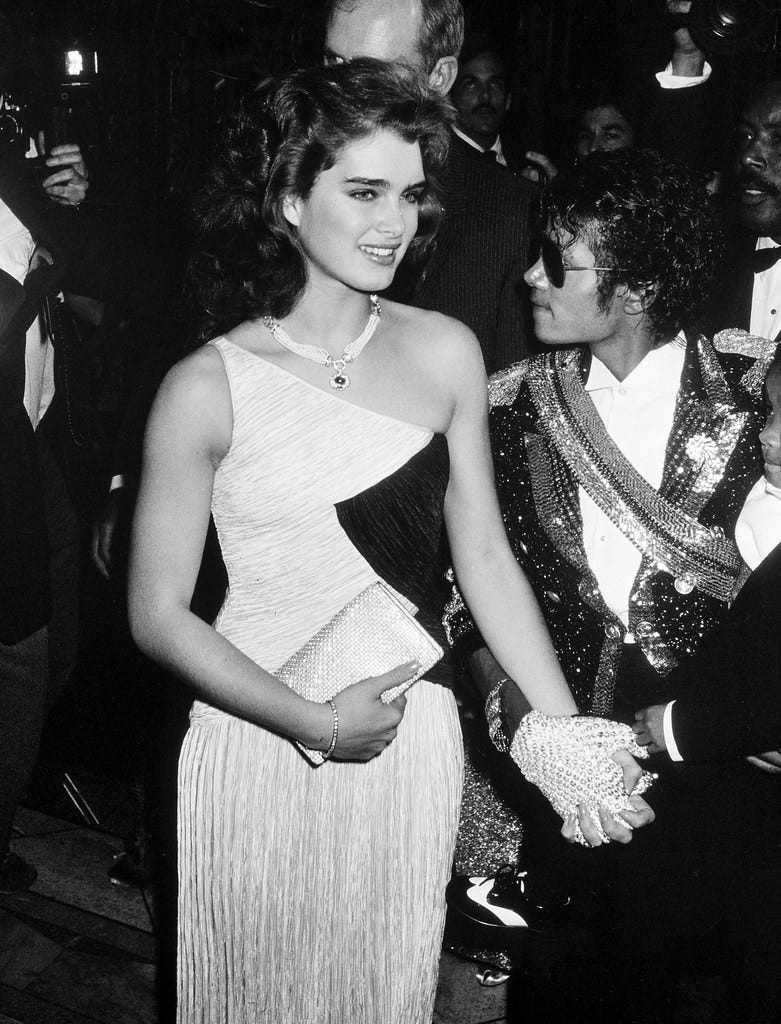
Michael and Brooke Shields. My grandpa came home from mass once in San Diego and mentioned having seen Shields there. He referred to her as a stunning woman with beautiful eyebrows. I covet my thick eyebrows now in part cause of that one Sunday.
My review of the new film on Michael is forthcoming this week, this has been some of the research