
Ghosting the Machine
On By Storm's debut album My Ghosts Go Ghost as a primer for navigating exile and return

I love a haunted melody that converts its haunts into restlessness and slight aggravation (see the grieving in that word, the graveyard of disappearing bodies limp in a heap of big feelings, a mosh turned crypt). These are the moods that the supplicating first song on By Storm’s debut My Ghosts Go Ghost, carries. Can I have you for myself, a disembodied voice entreats, almost whining, followed by a litany of concerns about what might happen if the answer is no. It’s a blues ballad of possession from the vantage of the soon-to-be dispossessed that pitches up into frenzied nostalgia for the future perfect that may never come— a meditation on the false and irresistible future self/possession. You realize, if listening closely, that the song is confessing the anxieties of impending fatherhood inflected with ecstatic dread of the demands a newborn could impose on a couple in love.
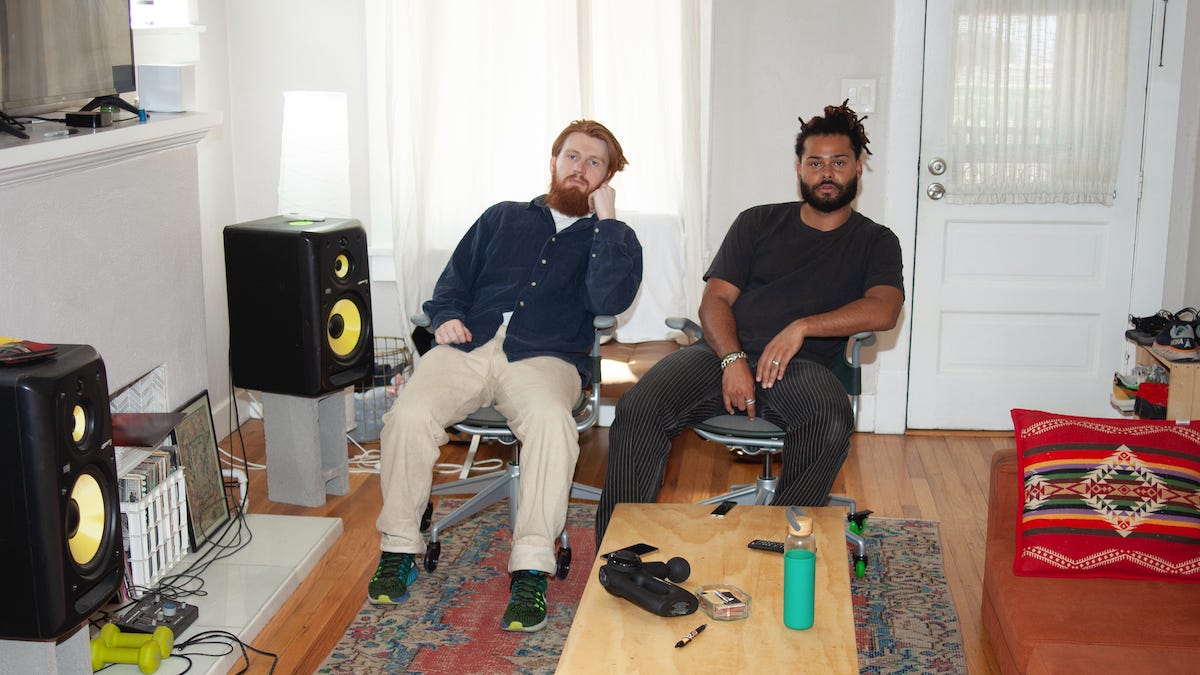
The anxiety Nate, “RiTchie” expresses lyrically as a wish for safe exclusivity, is also sublimated grieving of former selves, as he and the group’s producer Parker Corey officially release the trio Injury Reserve and the late third member and friend, Stepa J. Groggs, conjuring a storm to wash away the residual sorrow, which presents in interaction with them as quiet, even secretive reverence verging on retreat. Can I have time for myself, the lyrics echo in the awkward silence between revvings for the PR machine’s what’s next refrain, ever banal, ever persistent. Parker and RiTchie defy the nagging with deep focus, their own exclusive union around a sense of purpose that reads as an unspoken manifesto. They’re both clear about the ongoing deterioration of the music industry, and the ways its failure to enact basic protections of human musicians and listeners from usurp by AI, algorithmic manipulation, mega-festival monopolies, and other marks of the beast, will force some reckoning and redistribution of music’s meaning-making and revenue generating potential. These trends don’t deter them, they seem to intensify their work ethic. I volunteer that it helps that they’re refusing to be whisked into the devoutly middle-brow, the crop of musicians who are introducing audiences to sounds so mediocre they’ll welcome compositions powered by Artificial Intelligence as an upgrade. In my estimation, this is the clear agenda, make the human music miserable-sounding enough and AI will be reprieve.
My Ghosts Go Ghost struggles, grapples, with how to function outside of such misguided market forces, how to become new without becoming dishonest, dilute, and silly, how to stay true without being some kind of missionary for authenticity.
It helps that they reside in Phoenix, Arizona and not New York or Los Angeles. They’re a world and a time zone away from the heart of the hype machine they’ll be asked to feed and force fed in the name of rap. They’ve traded decorative flowers for medicinal chaparral and creosote and seem repentant for any prior association with the glamor spells the industry casts like curses. “Dead Weight,” comes in to pillage and exorcize that baggage until only the wound remains, which is dressed in serious, palpitating play on “Grapefruit,” an anthemic third track that explores the idea of commodification through controversy, all publicity being good publicity, the strict, stiff, protocol of the roll-out, which almost functions like ritualized hazing into a long-reigning fraternity that has lost most of its relevance outside of these pledges of allegiance by teams of musicians and managers and agents, etc., prestige farming.
I start to realize it’s fucking with me, RiTchie laments, submits, and the citrus is the inside-out clown suit of willing players of this game, a dead-on-arrival harvest. The worst omen. Is that all there is? While this album is classified as alternative rap, it exists in the spirit of the blues, approaching language and production with the downcast gear-clashing jitters of free spirits reveling in having been spit out by the monsters, ejected into a journey home that complains about and savors the road until the distinction between home and wandering, procedure and autonomy blurs or glitches in the glare of company gift cards and expense accounts, mouths to feed and mouths to tape shut before too much is revealed. There’s a palpable and unresolved urge to duck and dodge made vivid and literal on “Zig Zag” a sparring revenge fantasy, self-against-self again, and braced by production that refuses to succumb, insisting on cinematic grandeur to soothe the grit and regret.
Billy Woods’ cameo on “Best Interest” is celestial folkloric backup when the duo seems stranded in their set of preoccupations; he reroutes them just enough to give the album a volta and let it unravel and transcend its hyper-fixations toward a dance floor purge or cathartic incident. The final song is that incident, an urge toward elegy at last obliged, the hidden title track. It’s a moody and triumphant conversation with the other side, the clairsentient living dead bound up with the left-behind, a shared nervous system of metallic strings, pleading don’t let me go until it feels like the go, is the command, forced exile, and the ghost is given up. If a band is a chosen family, this is how you keep a family together, by letting everyone come and go as they please, honoring both duty and impulse, free will and destiny. Children help with that; when the child begins fidgeting, overdue for a nap, we disperse. I imagine RiTchie’s voice as his son’s personal white noise machine, in the nursery lullaby-making, and replay the album as that dream song, the score for an unfinished film, hearing the song cycle now as an inventory of what and who will be here when the storm is over.
Nice to watch your cameos on the PBS doc about the great Sun Ra!