
Cry Variations, 2025
Elegy and celebration for what's come and gone this year

That’s how people are, they remember someone else’s misery and forget their own. — Billie Holiday
3.18.1997
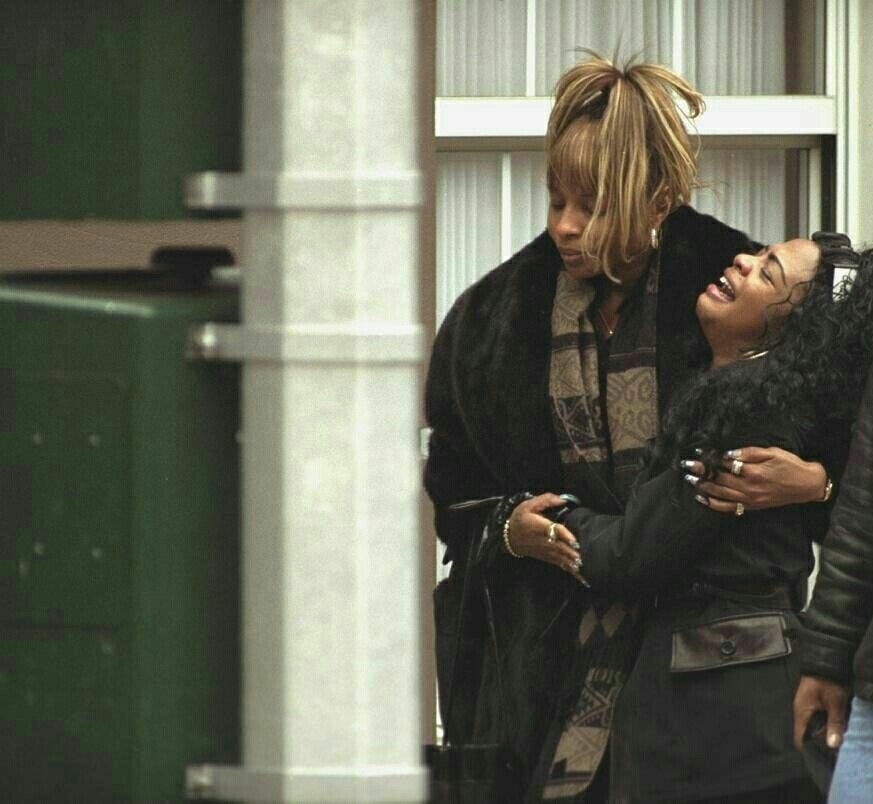
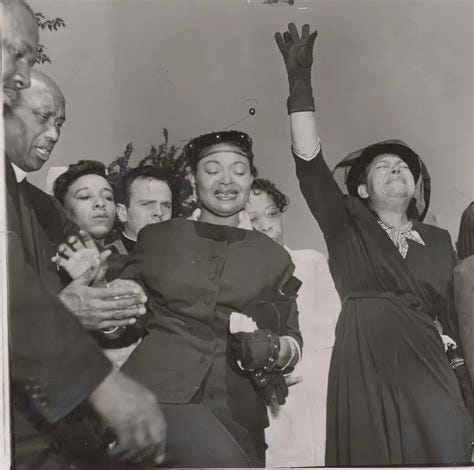
The crowd outside of Christopher Wallace aka Biggie’s funeral resembles a John Singleton movie scene. Some attendees swagger as though leaving a concert, some slouch to protect their burdened hearts, and Lil’ Kim, who could be mistaken for high school student ditching class, wails in the tradition of Mamie Till. And in a way Biggie was killed on suspicions of whistling too well, capturing too much attention, and the casket has yet to close. Kimberly Denise is nestled in Mary J. Blige’s arms and falling backwards as the dappled late-spring Brooklyn light haloes around her. Mary, who seems to have been stoic as an eldest daughter for thirty years now, is no different here, the anchor who never fully reveals what she is anchored to. Her countenance smacks of the unimpressed savvy of a mob boss’s daughter, trauma played off as composure. Mary is our negro Meadow Soprano. Who needs a heart from within the many mansions between Hollywood and the kingdom of heaven. More recently, Mary poses on red carpets grimacing or sluggishly dances in her signature over-the-knee boots looking much obliged or blackmailed into live performances and minor appearances alike. It’s ok to be jaded, weary, or straddling the threshold between spectacle and private grief, but her poker face as turned into a near-scowl, an unexhibited piece of evidence of the misdemeanors she may or may not have witnessed in the privacy of her own strict anchoring. She seems to embody that tense corridor where loyalty and self-betrayal meet and embrace in such a way they are one forever in the blood, and anhedonia is the only refuge.
Today
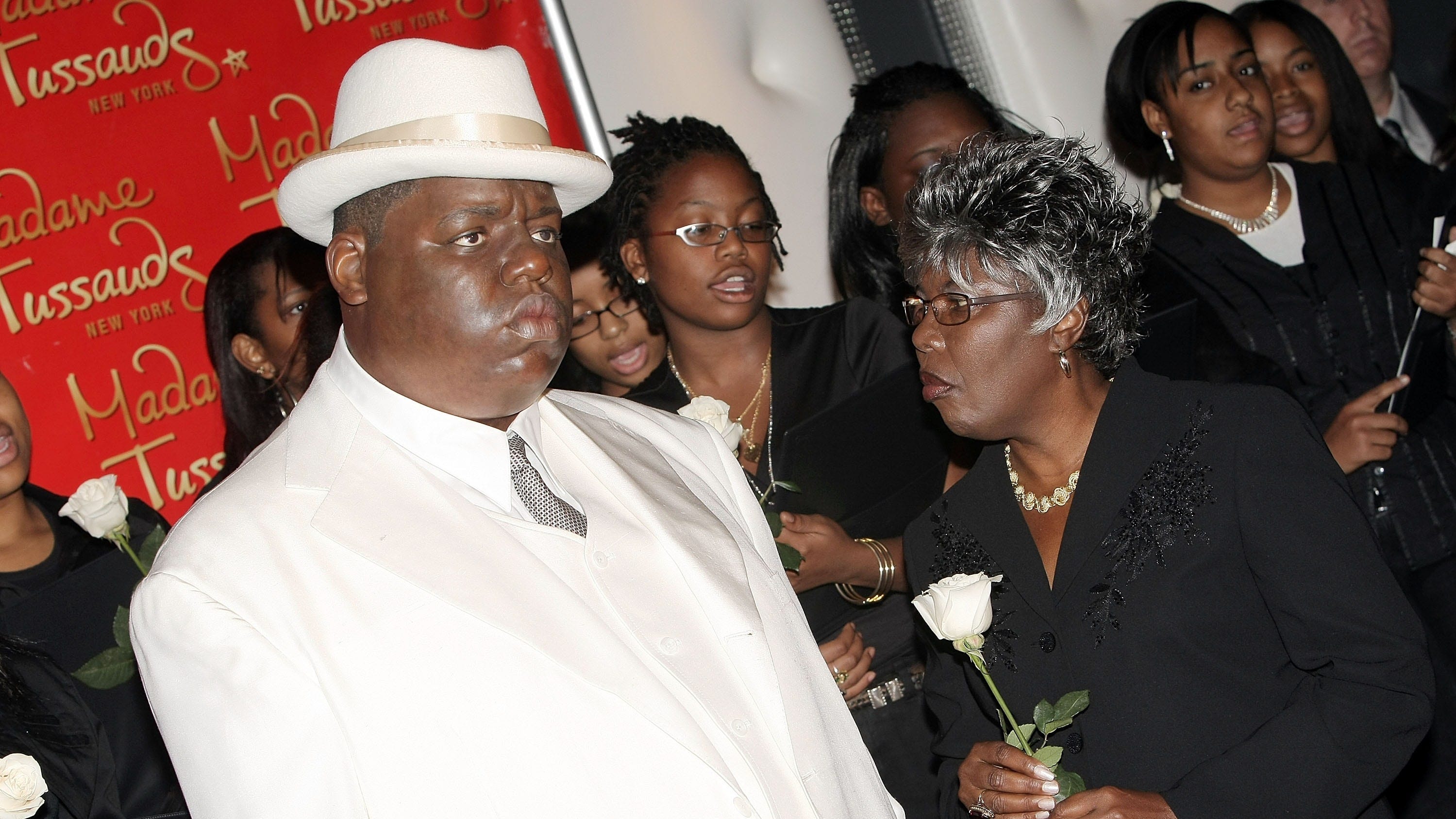
On one of the best diss tracks of all time, “Hit ‘em Up,” Tupac wishes a specific style of death on his ops, he tells them to die slow. Over thirty years later, his wish has become a guarantee. Many of his peers who have outlived him will never know peace for all the secrets they’ve kept to survive the lonely hunters who haunt the industry, and hip hop itself is this arthritic mound of embittered glory; it can never die but its somnambulance is a fate worse than death. The former club bangers are laced in shame and humiliation after this year’s show trial and those to come. We’ve learned that the genre is governed by a wannabe mafia made up of pawns and decoys and the joy in it has been all but gutted and turned into a series of blunt curses stalking the hip hop generation. And no one will repent right. Voletta Wallace, Biggie’s mother, died this year on Nina Simone’s birthday. At her funeral Lil’ Kim carries appropriate flowers, walks alone, and looks poised, all grown up, and distraught beyond tears or too aware of optics. Between diss tracks and elegy we carve out our biographies, throw flowers on that ocean/lens. As for the others I love who died this year:
There was my grandmother, another Mary, who my family called Dove, and then D’Angelo, Michael Archer, broken arrow aimed at the eternal falsetto that can never be recovered except as ungovernable phantom now, then God’s indiscretions in Gaza, that pretend land-grabbing cease fire that along with the loss of the others has pacified just enough of us. And Malcolm Jamal-Warner. And that man was shot in the neck on a campus in Utah. A stereotypical catharsis of rage and agit-prop ensuing on both sides, scarification, but for the heart, the psyops and manufactured crises are, like a form of carbon dating or momentum toward the end of linear time. So we don’t investigate too well, the influencers I love for their humility are going from baristas to kept men and women with brand deals, overnight. The death of the underdog. And thanks to mirror neurons, I expect the same windfall for my toil and trade of labor for currency—no one is in love anymore, everyone is calling everyone else a narcissist when intimacy fails and the frigidity of raging birds with clipped wings replaces it cruelly so that the spirit can neither migrate nor rest. To compensate they begin writing treatments for terrible shows about passive momentum toward the end of the world or how doom is the last and latest and worthiest craze and we can’t all be wrong or blame mirror neurons, forever. Someone’s unreasonable and pampered howl started the echo of everyone’s a victim until we can outsource our discomfort to the truly wretched with a proper catastrophe, which we have to script ourselves like a show that will be intentionally bad.
Roberta Flack died. Her “Ballad of the Sad Young Men” plays in my mind as I watch Biggie’s 1997 service. And Quincy Jones died, and Lonnie’s sister, and somebody’s sad uncle, my savage side won’t though. I still attack their ghosts or embrace them until they let their guards down and pounce. I still wait up all night for a light to flicker or a sudden noise like footfall to indicate they are with me; I pretend to be busy or distracted and listen closely, and when the sign invariably and anti-climactically comes, like a rung of the endless scroll dumbfounded by its own significance, I write as if transcribing a letter from the other omni-sided edge of timeless time. I rehearse that line in Chris Marker’s Sans Soleil— (paraphrase) and so they had to gather together in the rain, to repair the edge of time where it had broken. I think we need to arrange a ceremony in which we do that, though I’m not sure how. More and more, the young deaths do feel like ritual sacrifices, which would be a hard thing to confront head on in the West because in the doctrine of White Man’s Burden there’s no space for the barbarism of ritual and intention. We are trained to blame an invisible god and one another for the crimes of evil men and keep listening to their music waiting for the confessions to lilt and lull us like songs again. They will never be songs again. And because of a white actor named Timothy who fashions himself as a black man who can make them songs again, I have a Kirk Franklin bridge stuck in my head, looping, lupine in its approach like his unlikely visage— something about the name Jesus/oh how I love the name Jesus/it’s the sweetest thing. And Lauyrn Hill elaborates, sweetest thing I’ve ever known, stealing me back.
I have steadied my paces, I have not made crisis romantic, I have cried, but not in the arms of handlers, I have laughed like an undertaker at what’s been taken, I have asked Ma-at to sustain me, my heart is as light as a feather, wise as a serpent, innocent as my Dove, my personal manna, my steel drum. In the year of the snake, I took all of this and none of this personally.
Last night, I saw a Whirling Dervish dancer live for the first time; it did feel like a dosing of Sufi Mystical healing, a trance induced in part by her relentless torque and in part by the fact that it was unclear whether she persisted in bliss or distress until it ceased to matter which. What mattered was that she was not stopping, nor was she flailing, nor was she shrinking or becoming monotone. When she finally did decelerate and pause, she left behind a vertigo of herself in the room that is still rotating the cadences there now, a technique which says: there is no way out of this circle, the blues roulette, you will trace it with your living forever, become one of its authors, or as James says in Percival Everett’s novel by that name catch up with your own story. The dancer became a DJ playing herself as acetate over and over until straying from that path required following it until it faded out its own, like the 808s themselves, reverence into oblivion and a next life, like the snakeskin in shallow grass that this year has been.
—
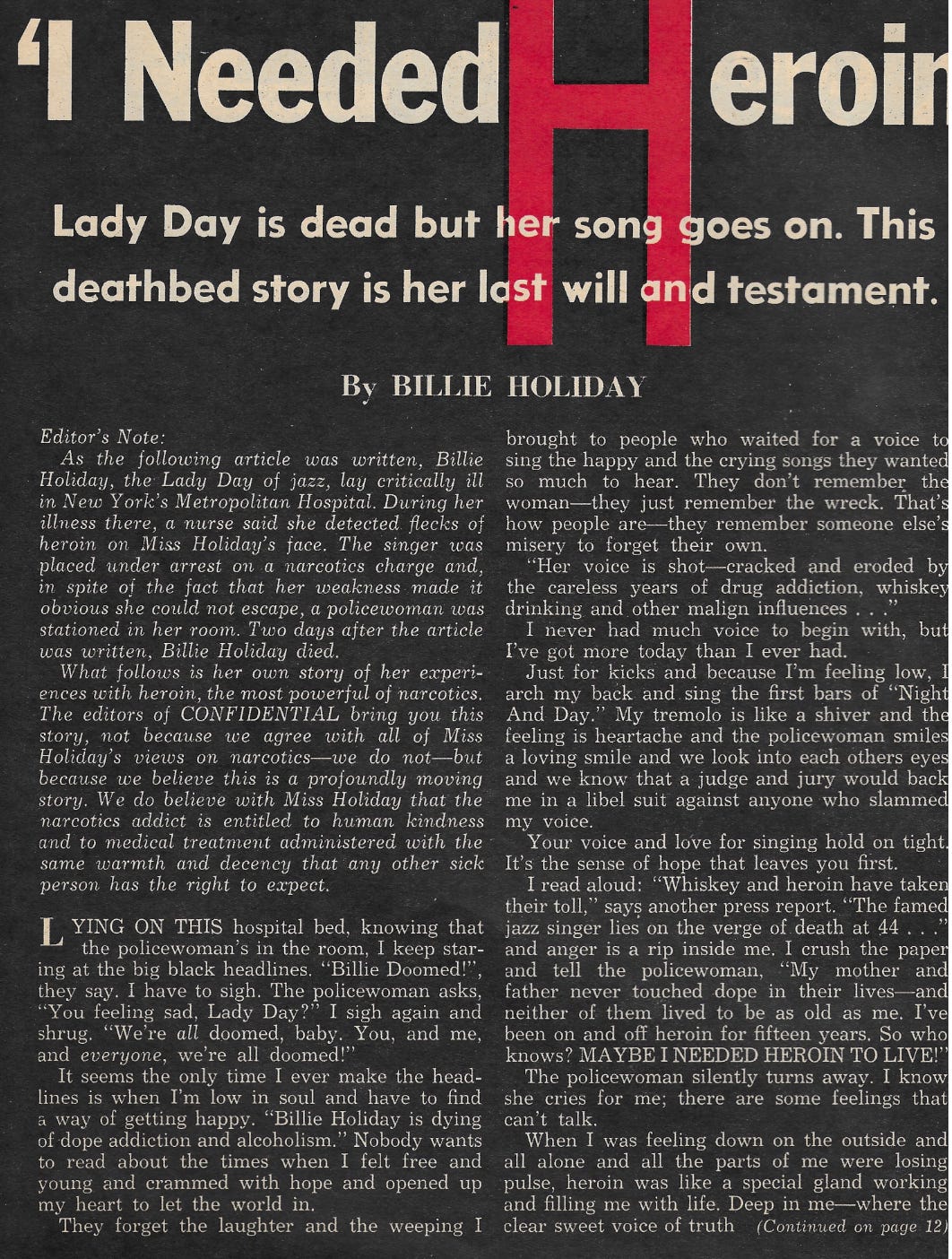
I’m attaching Billie Holiday’s last will and testament, a stunning interview she gave in her last days, here is an excerpt. She was an expert on irreverent grieving and perfect-pitch elegies. She is not the only musician who elegized herself best.
For solstice, my favorite day and week of the year, when everything comes back to life in spite of itself, paid subscriptions are discounted from now till week’s end. Next year we move toward print and other projects that subscribers will be first to hear of and receive, plus more from the vault.